Display and touch stack
A display assembly for integration into your own product.
Display, selected touch and cover glass; bonding and control electronics defined for the assembly.
OEM DISPLAY ASSEMBLIES · EMBEDDED ELECTRONICS · PRODUCT INTEGRATION
Display, touch and control assemblies engineered for your equipment and supplied directly by VITREVIA from China.
Start with your enclosure drawing and required interfaces. We define the assembly, prototype checks and repeatable supply.
Choose the physical scope. Prototyping and production follow the same selected assembly.
A display assembly for integration into your own product.
Display, selected touch and cover glass; bonding and control electronics defined for the assembly.
A display subsystem matched to the mechanical envelope of your equipment.
Display stack, enclosure integration, mounting, thermal provisions and external connections.
Control electronics and harnesses matched to a defined display.
Controller or scaler, compute where required, power and model-specific signal cabling.
These are project-defined assemblies. Dimensions, interfaces and performance are specified for your equipment.
The display assembly is developed within the customer’s product architecture.
Active area, display technology, brightness, viewing angle, bonding and optical requirements.
Touch technology, glass construction, printing, surface treatment and mechanical interfaces.
Host compute, external video and data inputs, scaler or bridge, TCON, model-specific internal display interface, firmware and startup behavior.
Input power, conversion, protection, Ethernet, USB and project-specific control interfaces.
Mounting points, depth, cable exits, thermal conditions, sealing and service access.
Validation, revision control, production documentation, inspection, packing and technical handover.
Follow the signal path from the host application to the physical display assembly. External source connections and internal display links are separate project boundaries and must be released explicitly.
The operating system or embedded application produces the media, graphics and control behavior required by the product.
The released source connects through the specified external video, USB, network or project I/O.
The selected compute platform, controller, scaler, bridge or TCON handles orientation, processing and display timing.
The display, touch, optical stack, internal cabling, enclosure, power, thermal and service provisions form the released assembly.
HDMI, DisplayPort, USB, Ethernet or project I/O can connect the host to the selected compute or controller platform. Exact versions, formats and ownership are confirmed for the released configuration.
eDP, LVDS, MIPI DSI or V-by-One HS may be used as model-specific internal links between the selected controller, bridge or TCON and the display assembly. They are not interchangeable external inputs. Confirm pinout, voltage, timing, cable length, TCON location and ownership.
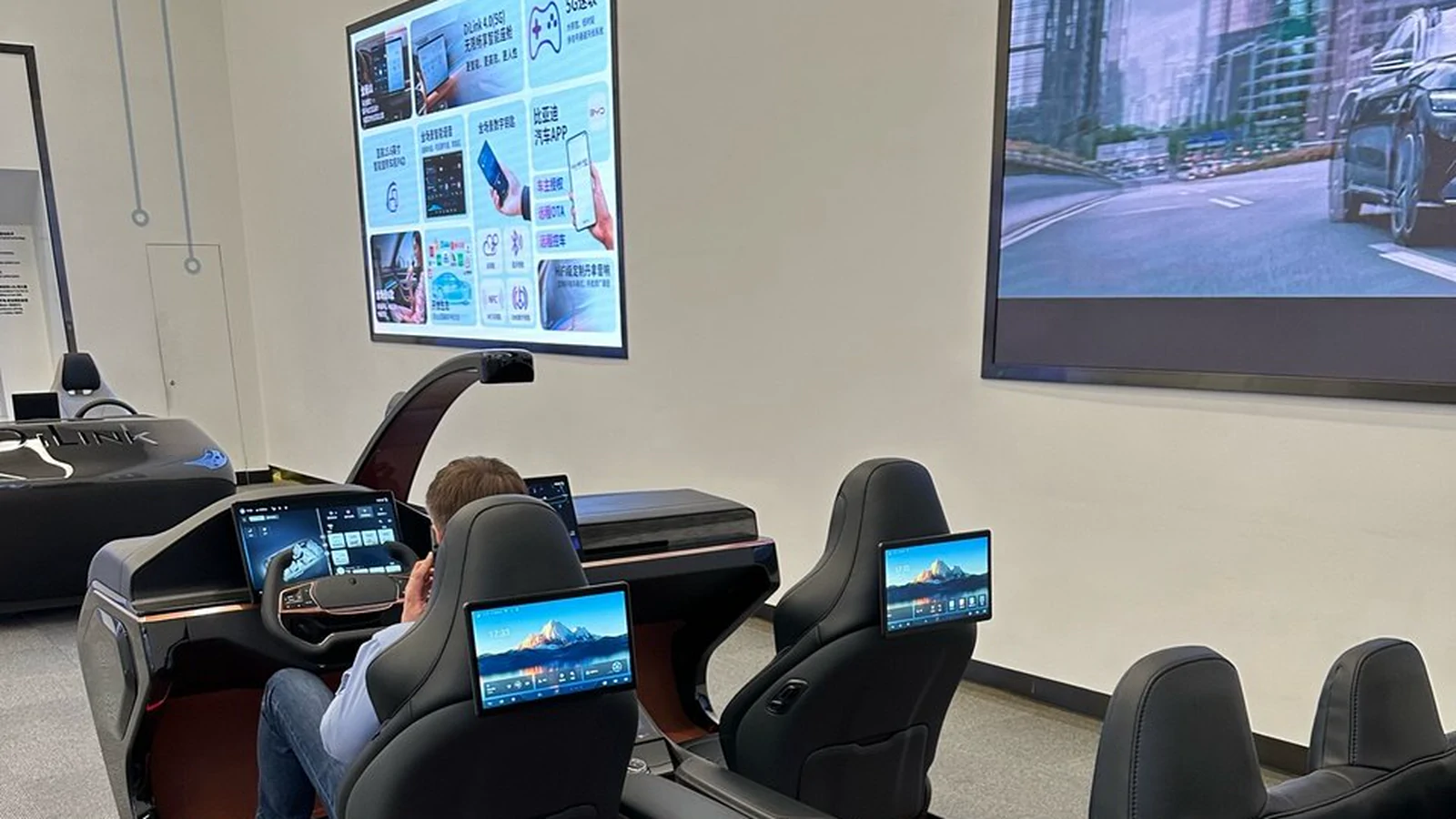
OEM display integration is shown where the display, touch, electronics and interfaces become part of the customer’s product or equipment.
A useful first configuration starts with the product envelope, interfaces and operating requirements.
The assembly moves from prototype to production only after the agreed interfaces and revision are verified.
Confirm mechanical fit, active area, power-on behavior, display image, touch and interfaces.
Test the agreed operating conditions, thermal behavior, interface stability and service procedure.
Control drawings, BOM, software or firmware revision, inspection criteria, packing and handover files.
Review acceptance, handover documentation, production delivery, warranty boundaries and spares planning for the agreed assembly.
Define inspection, validation evidence and shipment-release criteria for the selected system.
Review Quality and AcceptanceReview supply packages, handover documents, logistics inputs, warranty boundaries and spares planning.
Review Delivery and SupportGet direct answers about quotation inputs, quantity, samples, timing, certificates and after-delivery support.
Read the Buyer FAQOEM and specialized displays
Share the product platform, interfaces and constraints. We will confirm the display assembly, development scope and next step.